

Hakim Ali Sees Major Shift in Nigeria’s Institutional Solar Energy Market.

Mr. Hakim Ali
Sora Green Energy Projects Limited
Houston-returned entrepreneur sees opportunities as Nigerian banks, telecom operators and major businesses reassess long-term energy costs.
HOUSTON, TX, UNITED STATES, November 3, 2026 /EINPresswire.com/ -- Nigeria’s longstanding electricity challenges may be creating one of the country’s most significant emerging private-sector investment opportunities as businesses increasingly evaluate solar generation, battery storage and independent power systems against the rising cost of conventional energy.
That is the outlook of Hakim Ali, an American-born Nigerian entrepreneur who relocated from Houston, Texas, to pursue opportunities in Nigeria’s renewable-energy and electric mobility industries.
Ali, a Director of Abuja-based Sora Green Energy Projects Limited, believes the next major shift in Nigeria’s renewable-energy market may come not only from households adopting solar power, but from banks, telecommunications operators, hospitals, hotels and other institutions reconsidering how they finance and manage electricity over the long term.
From Houston to Nigeria’s Energy Opportunity
Ali’s decision to relocate from the United States reflected his belief that Nigeria’s large population, expanding commercial requirements and persistent electricity challenges created opportunities for businesses capable of providing practical energy solutions.
However, entering the market required patience.
Customers unfamiliar with newer technologies often needed education about equipment reliability, battery performance, maintenance requirements and the economics of replacing conventional energy systems.
Ali believes this initial hesitation is gradually giving way to a more financially focused discussion.
For many Nigerian businesses, electricity is not simply a utility expense. It is an operating requirement that can involve generators, fuel purchases, equipment maintenance and the financial consequences of service interruptions.
He believes these recurring costs are encouraging more organizations to examine whether alternative energy systems can offer greater predictability over time.
Why Institutional Buyers Could Transform Solar Adoption
Ali sees particularly significant opportunities among institutions with substantial and recurring electricity requirements.
Banks operating multiple branches, telecommunications companies maintaining mobile network infrastructure, hospitals requiring dependable electricity and hotels serving customers around the clock all face different versions of the same challenge: maintaining reliable power while controlling operating expenses.
For these organizations, Ali believes the financial case for solar energy should be evaluated over five- to ten-year periods rather than solely through initial installation costs.
Such assessments can include electricity consumption, generator fuel expenditure, maintenance, financing, battery replacement, equipment lifespan and the cost of power interruptions.
Properly designed solar and battery-storage systems may offer financial advantages where the total cost of ownership compares favorably with existing arrangements.
The economics are not identical for every institution, and system design, financing terms and operating requirements remain important considerations.
Nevertheless, Ali believes institutional demand could become a significant driver of Nigeria’s renewable-energy market as more businesses incorporate long-term electricity costs into capital investment decisions.
Solar Energy and Electric Mobility Are Becoming Connected Markets
Sora Green’s operations illustrate another development Ali considers important: the growing relationship between renewable-energy infrastructure and electric transportation.
Solar energy remains the company’s original and principal business, providing residential and commercial electricity-generation and storage solutions.
The company has expanded into electric vehicle distribution, charging infrastructure and related automotive services.
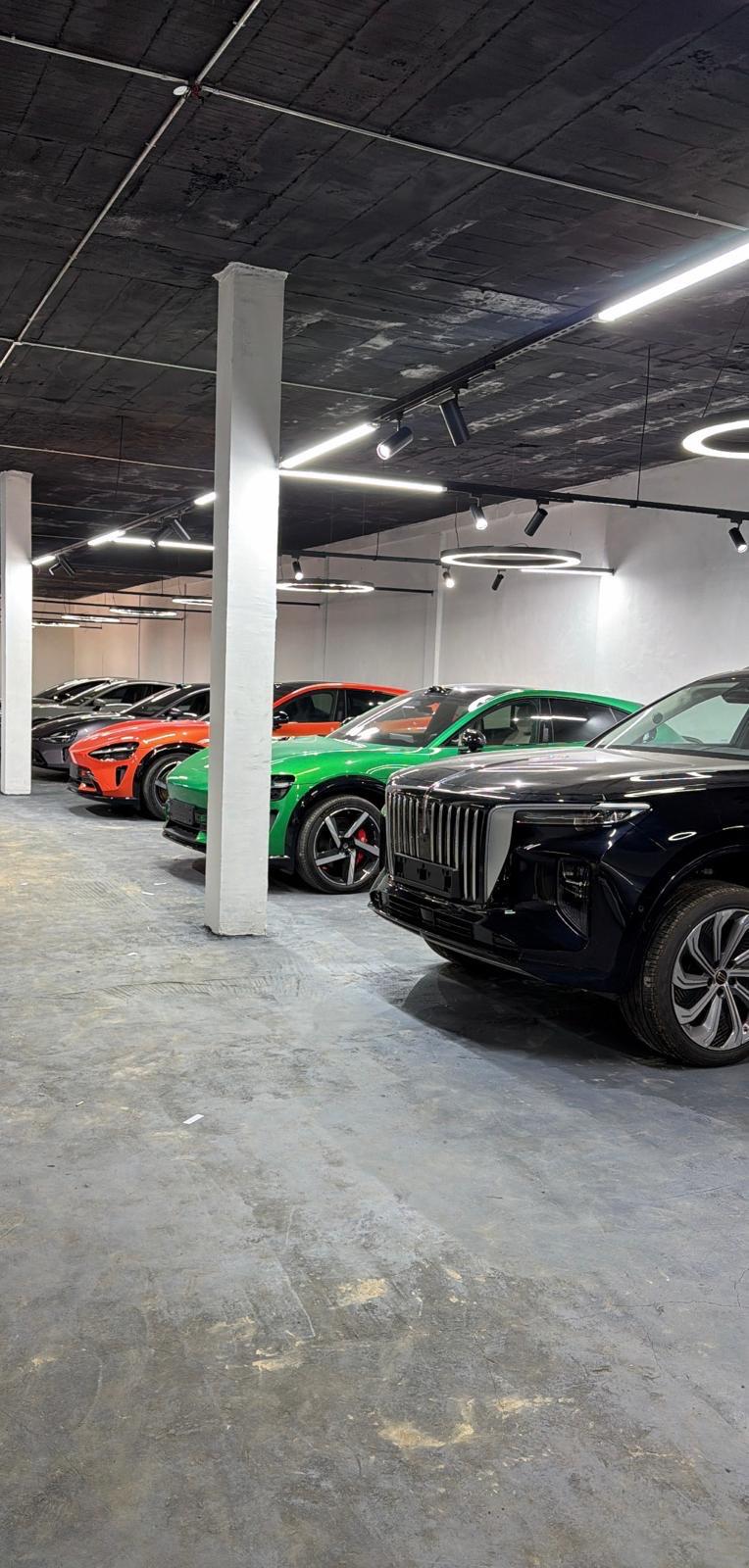
According to management, Sora Green has delivered more than 300 electric vehicles since late 2024, including models from Hongqi, Xiaomi and Avatr, alongside its relationship with Chinese automotive manufacturer FAW.
Ali believes this combination of energy and transportation services reflects the practical requirements of Nigeria’s emerging electric mobility market.
Electric vehicles require dependable charging, while solar generation and battery storage can provide alternative electricity sources where grid supply is inconsistent.
Rather than treating the two industries as separate opportunities, Sora Green is developing services intended to address them together.
Off-Grid Charging Infrastructure in Abuja
The company’s planned electric vehicle charging facility in Maitama, Abuja, provides a practical example of this integrated approach.
Designed to operate independently of Nigeria’s national electricity grid, the facility is expected to combine more than one megawatt of solar generation capacity with over 1.3 megawatt-hours of battery storage.
Initial plans include four 120-kilowatt DC fast chargers, with the company also considering a future increase in charging capacity.
The project is intended to serve the wider electric vehicle market, including motorists who purchased vehicles from other distributors.
The facility is not yet operational, with an opening targeted for early 2027.
For Ali, the development illustrates how private investment in renewable-energy infrastructure may help address limitations that would otherwise slow electric vehicle adoption.
Financing and Commercial Partnerships
Ali believes access to financing will be important to the wider adoption of electric mobility and renewable-energy technology.
Sora Green reports an existing agreement with Jaiz Bank that provides financing facilities for eligible customers purchasing vehicles through the company.
According to management, Jaiz Bank has also purchased vehicles from Sora Green.
The company has additionally supplied vehicles to Nigeria’s Rural Electrification Agency.
These activities reflect the development of commercial relationships alongside the company’s energy and mobility operations.
Ali believes similar attention to financing and long-term operating economics will be important as institutional customers consider larger renewable-energy investments.
A Long-Term Opportunity Beyond Equipment Sales
Ali’s outlook extends beyond the immediate sale of solar panels, batteries or electric vehicles.
He believes Nigeria’s energy market may increasingly reward companies capable of delivering integrated solutions that combine equipment, technical support, maintenance, financing access and dependable long-term performance.
The transition is unlikely to happen immediately.
High initial costs, financing constraints, technical requirements and customer uncertainty remain important barriers.
Nevertheless, Ali believes the country’s energy challenges are creating incentives for businesses to reconsider conventional approaches to electricity supply.
For institutions facing substantial recurring energy expenditure, the decision to invest in alternative power infrastructure may increasingly become a question of financial planning rather than environmental preference alone.
Ali sees this as a potentially important shift in Nigeria’s energy economy: from treating electricity shortages primarily as an operating problem to evaluating dependable energy infrastructure as a long-term commercial investment.
About Sora Green Energy Projects Limited
Sora Green Energy Projects Limited is an Abuja-based renewable-energy and electric mobility company providing residential and commercial solar-energy solutions, electric vehicle distribution, charging infrastructure and automotive support services.
Lenny Anderson
Alibiu Holdings LLC
Visit us on social media:
X
Legal Disclaimer:
EIN Presswire provides this news content "as is" without warranty of any kind. We do not accept any responsibility or liability for the accuracy, content, images, videos, licenses, completeness, legality, or reliability of the information contained in this article. If you have any complaints or copyright issues related to this article, kindly contact the author above.
